【1】What Is Assembly?
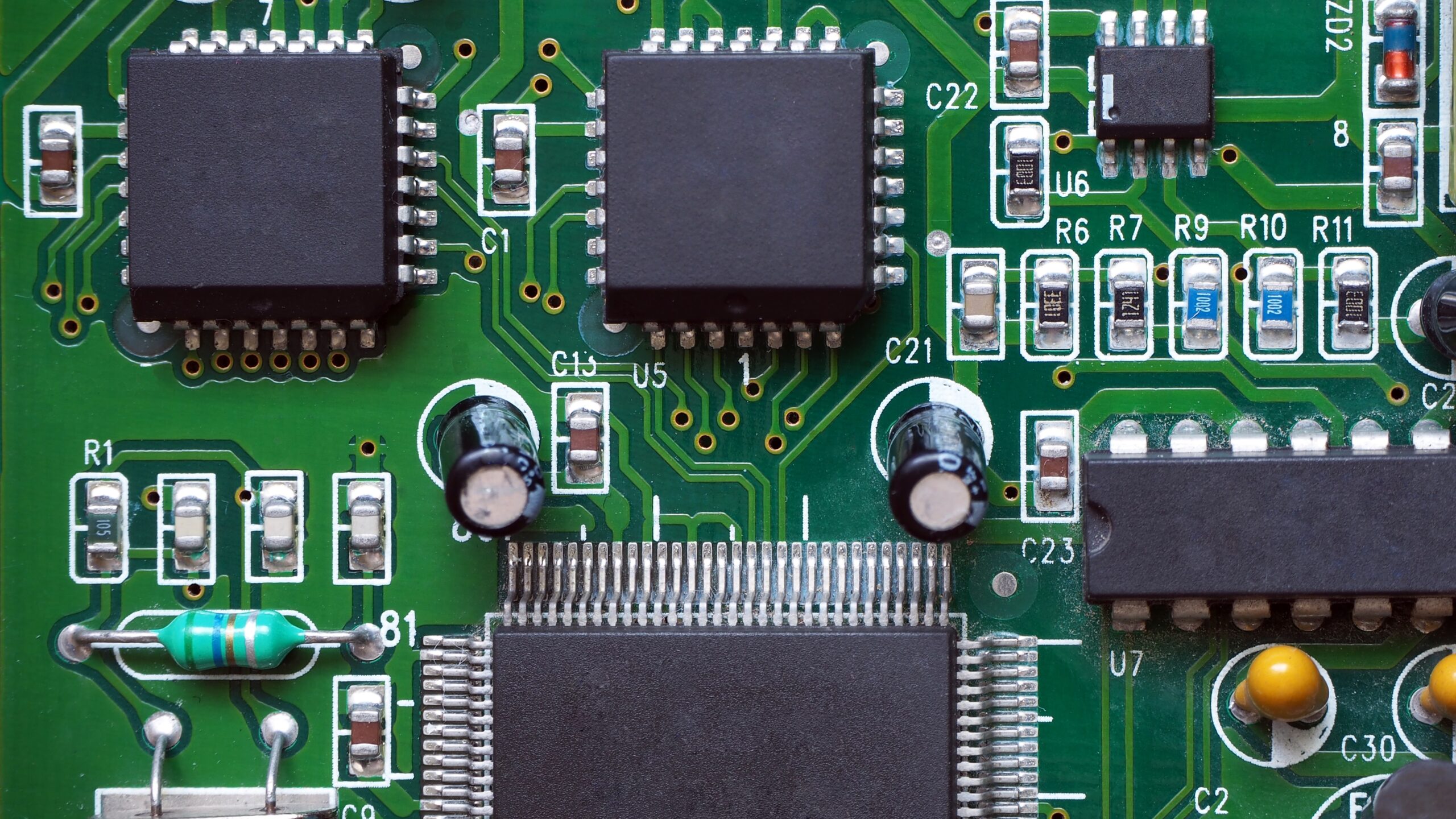
Assembly is the process of mounting a packaged semiconductor chip onto a printed circuit board (PCB) and electrically connecting it, bringing the finished product to a usable state.
Specifically, this involves:
・Soldering the chip onto the board
・Fixing it in place through reflow
・Inspecting for connection defects
・Countermeasures against voids and cracks
・Design considerations for heat, mechanical stress, and EMI
This is a critical process that determines the performance and reliability of the final product — whether a smartphone, an automotive ECU, a server, or a home appliance.
【2】The Overall Assembly Flow
The typical assembly flow proceeds as follows:
1.Preparing the substrate (PCB)
2.Printing solder paste (stencil printing)
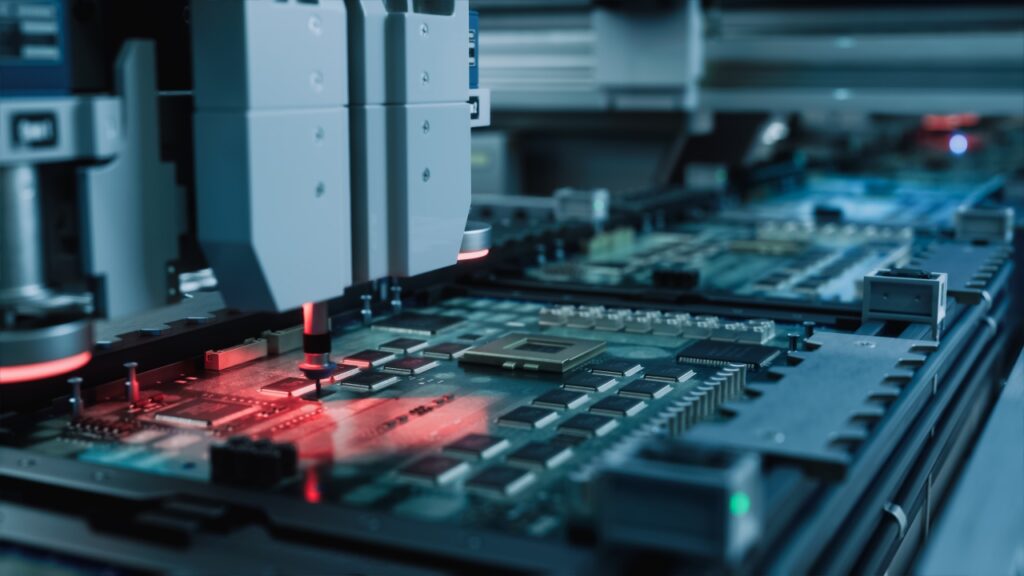
3.Placing chips and packages (pick and place)
4.Heating and bonding in a reflow oven (reflow)
5.X-ray and visual inspection (AOI / AXI)
6.Cleaning and protective treatment (underfill, coating)
For products requiring high reliability — such as automotive and industrial equipment — inspection steps are made even more rigorous.
【3】Elements of Assembly Technology
(1) Solder paste
Tin-silver-copper (SAC) alloys are the dominant choice. Variations in particle size and viscosity directly affect printing precision.
As pitch continues to shrink, challenges such as bridging, voiding, and poor wetting become increasingly common.
(2) Stencil printing
The process of precisely depositing solder onto the pads of the substrate.
Key factors include:
・Stencil thickness
・Aperture shape
・Printing pressure
・Paste viscosity
・Squeegee speed
Even the slightest misalignment during printing can directly lead to connection defects and reduced yield.
(3) Assembly equipment (pick and place)
Robotic systems that place chips at precise positions at high speed.
Required performance includes:
・Micrometer-level precision
・Throughput of tens of thousands of placements per hour
・AI-driven component recognition
Since a single smartphone may contain hundreds of individual packages, optimizing the entire assembly line is critically important.
(4) Reflow
The process of melting solder to bond components in place.
The temperature profile is the lifeblood of this process, consisting of:
・Preheating
・Soaking
・Reflow (melting)
・Cooling
If temperature conditions are poor, the result can be solder cracking, voiding, or insufficient wetting — all of which significantly reduce reliability.
(5) Underfill
Used with technologies such as flip-chip packaging. A resin that absorbs stress at the solder connections, improving reliability.
Its importance is increasing for several reasons:
・Thinner chips are more prone to cracking.
・Differences in thermal expansion between materials create stress.
・Solder bumps continue to shrink.
Underfill has become an essential technology for high-performance devices used in AI and 5G applications.
(6) Conformal coating
A protective film that shields the board from humidity, salt damage, and dust. Particularly important for automotive and industrial applications.
【4】Representative Assembly Formats
・SMT (Surface Mount Technology): The dominant method used in modern electronic products.
・THT (Through Hole Technology): Used in applications requiring greater mechanical strength, such as power supply boards.
・PoP (Package on Package): A method used in smartphones to stack the CPU and memory together, a type of 3D packaging.
・SiP (System in Package): Integrates multiple chips into a single module.
Assembly is not just about packaging — it’s a technology directly tied to making the final product smaller and more energy efficient.
【5】Failure Modes in Assembly
Representative defects include:
・Solder cracking
・Voiding
・Bridging
・Connection failures
・Board warpage
・Underfill delamination
These defects can be critical failures under automotive requirements (such as AEC-Q100), making rigorous mass-production quality control essential.
【6】Recent Technology Trends
・Finer component pitches (such as the 0201 size)
・Enhanced heat dissipation design for high-power devices
・Automated visual inspection (AOI/AXI) powered by AI and imaging
・Growing use of SiP for high-functionality modules
・Ongoing updates to substrate, resin, and solder materials
・The increasing standardization of flip-chip assembly
SiP, improved heat dissipation, and higher reliability stand out as particularly fast-growing areas.
【7】Summary
・Assembly is the “final proving ground” where chips are mounted onto a board.
・Solder printing, placement, and reflow form the core of the process.
・Underfill and protective coatings are essential for ensuring reliability.
・The difficulty of assembly continues to grow as devices shrink and heat generation increases.
・SiP and finer-pitch packaging are set to become increasingly central going forward.
Comprehension Check
1.Explain why the temperature profile in a reflow oven is so important.
2.Under what circumstances does underfill become necessary?
3.Name three representative types of defects that can occur during assembly.
Column Supervisor: Koji Kakumoto (Otis Group Co., Ltd.)
After studying abroad and working in planning and development at a trading company, he joined Otis Group Co., Ltd. in 2011. While primarily working in the Corporate Planning Department, he has also served concurrently in manufacturing and technical divisions, and since 2018 has served as Representative Director, working to drive business growth and strengthen the organization.
This article is a general technical explanation intended for educational purposes and does not refer to any specific company, product, or technology.