We don’t just make materials processable —we design them to be ready for mass production. OTIS comprehensively optimizes functional materials—such as films, adhesives, and metal foils— through the entire process, from microfabrication and lamination to bonding and reel-to-reel feed design. We help resolve process bottlenecks in markets where high-performance capabilities are becoming increasingly essential, including AI servers, power semiconductors, next-generation batteries, medical devices, and robotics.
We would like to confirm concerns regarding cost, delivery time, alternatives, stable supply, and the transition to mass production.
Summarize and provide feedback on mass-production feasibility, quotation terms, supply risks, alternative materials, and business continuity planning (BCP) considerations.
OTIS supports a wide range of processing applications for the mass production of functional materials (including films, adhesive tapes, insulating materials, conductive materials, metal foils, and heat dissipation and EMI-related components). Depending on the application, we offer not only individual processing but also lamination, bonding, and feed system design.
2
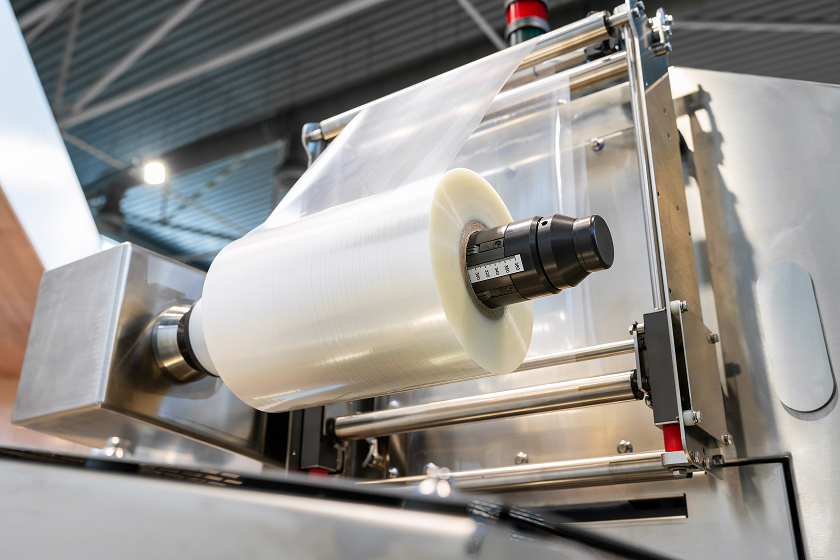
Heat Lamination
〜150℃
We optimize lamination conditions based on material properties to minimize air bubbles, misalignment, and warping.
*Compatibility with specific materials must be evaluated separately.
3
Production Equipment
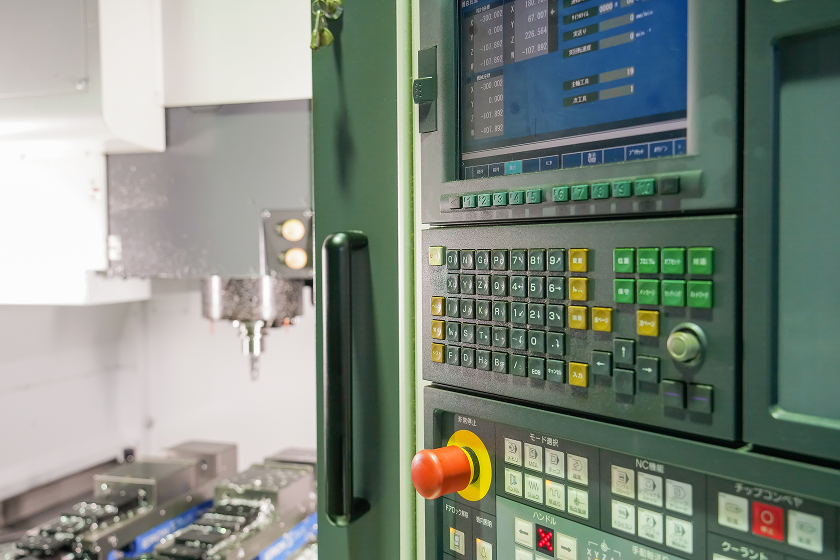
More than 60 presses
We have established a manufacturing system that balances mass production capabilities with the ability to handle a wide variety of products, tailored to meet specific customer requirements.
4
Quality Management System
IATF 16949 Certification
We have established a system to support mass-production quality, including quality assurance, traceability, and audit readiness.
Why OTIS Is Chosen Around the World
4 Technical Points
Microfabrication Technology Using Ultra-Precision Molds
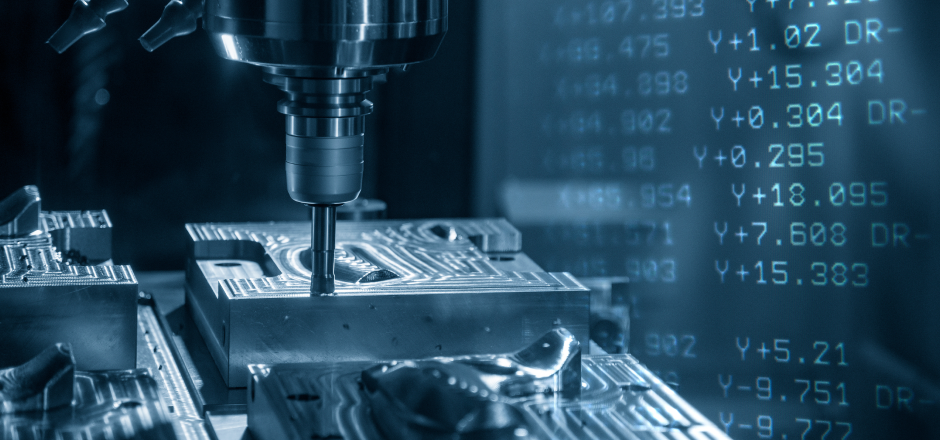
OTIS’s foundation lies in microfabrication technology centered on in-house molds. Taking into account the unique characteristics of each material, we simultaneously optimize shape, dimensions, cutting quality, and mass-production reproducibility. Our strength lies not merely in precision machining, but in ensuring that the finished parts can be used reliably throughout the production process. In micro-machining, yield rates are influenced by cutting edge conditions, clearances, the elastic and plastic behavior of materials, and stress changes during handling. OTIS combines in-house mold manufacturing with expertise in equipment and jig design to ensure mass-production reproducibility not only at the machining stage but also across the entire production process, including preceding and subsequent steps.
Reel Integration Technology
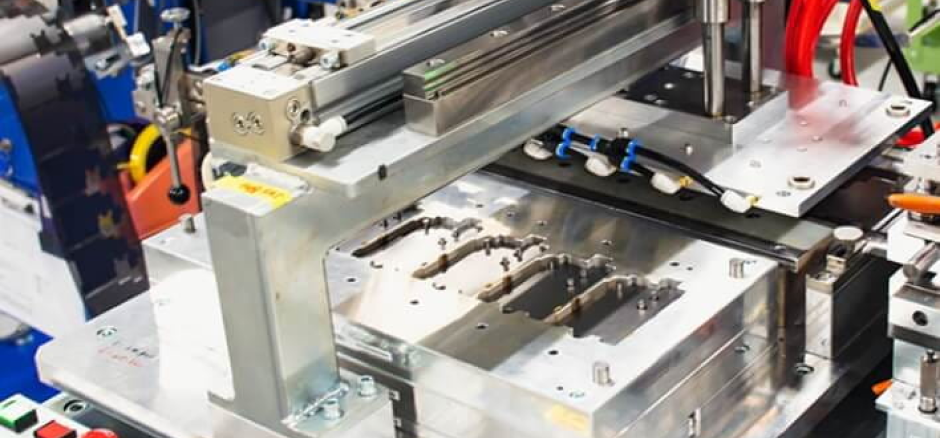
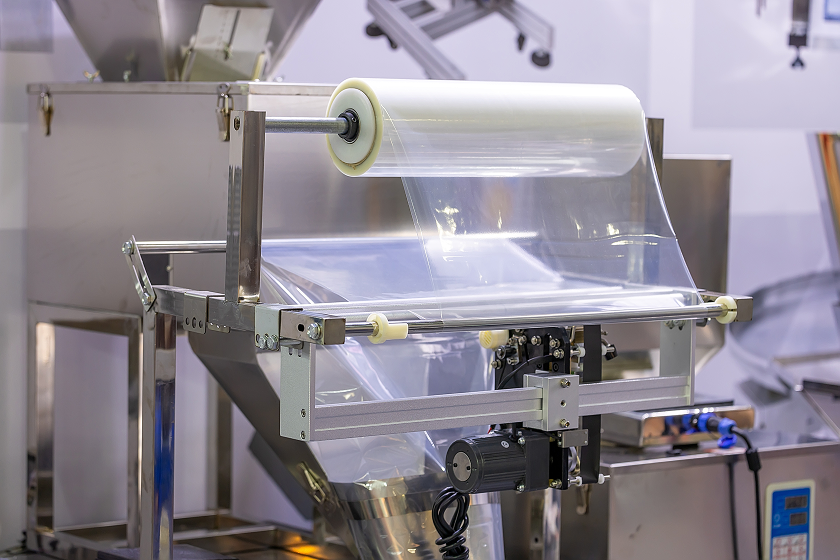
In typical reel feeding, problems such as “components shifting during peeling,” “position misalignment,” “difficulty in picking up components,” and “automated machine stoppages or worsened cycle times” are common—and these cannot be resolved by component precision alone. OTIS takes an integrated approach to machining, lamination, peel-off design, and feed system design. Therefore, we do not simply manufacture parts and call it a day; instead, we design the optimal feed method—including reels, hoops, and embossing—based on how the parts will flow through the customer’s automated production line. This comprehensive technical expertise, which extends all the way to the delivery format, is why we are highly regarded in mass-production environments.
Irregular Shapes × Lamination Technology
In the field of high-performance materials, there is an increasing number of cases where combinations of different materials and shapes—rather than single-layer structures—are required. OTIS combines materials such as films, adhesives, and metal foils to perform lamination and bonding while minimizing misalignment, warping, air bubbles, and foreign particles. This technology enables simultaneous achievement of thinner profiles, greater functionality, and simplified manufacturing processes.
High-Quality Metal Foil Die-Cutting Technology
In metal foil processing, it is necessary to manage not only basic dimensional accuracy but also burrs, deformation, distortion, handling stability, and compatibility with downstream processes. OTIS combines mold, mechanism, and process design to ensure that even thin, delicate metal foils can be easily handled during mass production. We are also expanding our capabilities to address functional materials required in growing markets, such as insulation, conductivity, heat dissipation, and shielding.
It's okay if the drawings and specifications aren't finalized yet.
We welcome technical consultations with an eye toward mass production.
Rather than simply asking, “Can this material be processed?” we work with you to determine whether mass production is feasible based on these specifications. From the conceptual stage and prototyping to machine compatibility and reviewing supply methods, please feel free to consult with us.
Even when using the same materials, companies can be divided into those capable of processing them and those capable of mass production.
The essence of microfabrication and additive manufacturing. It lies in the “control of force”—specifically, determining where, how much, and in which direction to concentrate “stress” within the material. The ability to control this invisible phenomenon at the micron level determines the stability of mass production processes.
Reason01Thrust
It’s not necessarily true that more force is better. Excessive or insufficient thrust can cause deformation, dimensional variations, poor adhesion, and warping. The key is to apply the force required for the material and shape at the right moment.
Reason02Material Properties
Even when they have the same thickness, film, adhesive, and metal foil behave completely differently. Stable mass production cannot be achieved without considering everything from elasticity and plasticity to elongation, recovery, and even how the adhesive flows. While there are many processing companies that understand materials, only a limited number can incorporate the unique characteristics of those materials into their process design.
Reason03Blade Shape
Differences in cutting edge geometry and contact patterns affect not only sharpness but also burrs, cut surfaces, material damage, and behavior during peeling. Although these aspects are difficult to see, this is the area where we have transformed the craftsman’s intuition—which has a significant impact on yield—into a reproducible technology.
Reason04Mechanical Design
In high-precision machining, it is crucial that the entire system—including not only the mold but also the mechanisms for transport, positioning, support, ejection, stacking, and winding—is properly integrated. Even if just one part of the process is excellent, the entire production line will be unstable, making it impossible to succeed in mass production.
In this field, areas such as “materials understanding, mold design, equipment and fixture design, machining condition optimization, and verification of reproducibility on the mass production floor” tend to be fragmented, and there are not many companies that can thoroughly address all of these areas in a cross-functional manner within a single organization.
OTIS bridges this divide to bring your design concept to fruition.
Q&A for Engineers
Can I consult with you even if my drawings aren't finished yet?
Yes. In fact, consulting with us early in the design phase makes it easier to incorporate considerations regarding processability, laminability, and supply reliability into the design. Addressing issues in the early stages rather than running into problems later on is the most cost-effective approach.
Can you handle new materials or materials with limited track records?
Yes, that is possible. Even for materials where performance data alone is insufficient to predict mass-production feasibility, OTIS evaluates the feasibility of the manufacturing process from the perspectives of machining, layering, and feeding. However, depending on the material properties, evaluation prototyping may be required.
Can we discuss delivery options designed for automated machine feeding?
Yes. We consider the supply format—such as reels, hoops, and embossed parts—while ensuring compatibility with the customer’s equipment. We don’t just manufacture parts; we design them so they can be reliably supplied and mounted on automated production lines.
In which industries do you specialize?
We have a strong presence in fields where high performance, high density, and automation are advancing. Examples include AI servers, next-generation batteries, medical devices, and the robotics and automation sectors. We believe that what is required is not so much the components themselves, but the ability to ensure uninterrupted production processes.
It's okay if the drawings and specifications aren't finalized yet.
We welcome technical consultations with an eye toward mass production.
Rather than simply asking, “Can this material be processed?” we work with you to determine whether mass production is feasible based on these specifications. From the conceptual stage and prototyping to machine compatibility and reviewing supply methods, please feel free to consult with us.