【1】What Is Ultrapure Water (UPW)?
Ultrapure water is water from which impurities have been removed to the utmost limit.
Ordinary water contains
・Minerals
・Fine particles
・Bacteria
・Organic matter, and more.
In semiconductor manufacturing, all of these become impurities.
Therefore, in ultrapure water,
・Ions
・Particles
・Organic matter
・Microorganisms, and more
are removed to the utmost limit.
【2】Why Cleaning Is Important
In semiconductor manufacturing, hundreds of process steps are performed on a single wafer.
A cleaning step is always inserted after each process.
Reasons:
・Removing fine particles
・Removing chemicals
・Cleaning the surface
If cleaning is insufficient, it leads to
・Defects
・Short circuits
・Lower yield.
【3】Water Use in Semiconductor Factories
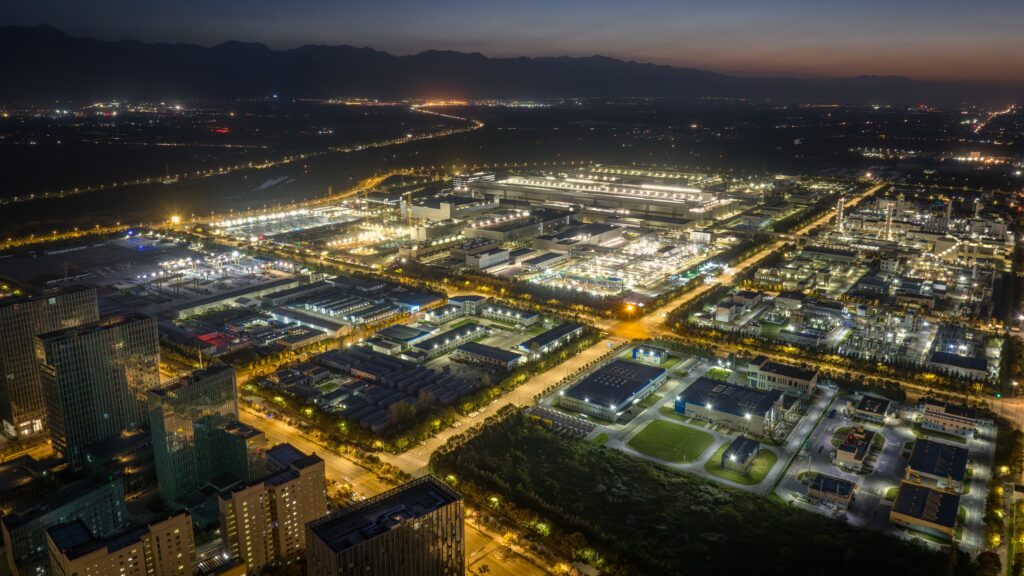
Leading-edge semiconductor factories use a very large amount of water.
Example:
Large fab → tens of thousands of tons per day
This is comparable to the water use of a medium-sized city.
For this reason, regions with abundant water resources are advantageous as factory locations.
【4】Taiwan's Water Problem
Taiwan is the center of the semiconductor industry.
It is home to many semiconductor factories, including TSMC’s.
However, Taiwan is a region prone to water shortages.
During droughts, measures such as
・Restrictions on industrial water
・Emergency transport of water
have been taken in the past.
【5】Water Recycling Technology
Water reuse is advancing in semiconductor factories.
Examples:
・Wastewater recovery
・Retreatment
・Reuse
Some leading-edge factories aim for a water recycling rate of 80% or more.
【6】The Ultrapure Water Production Process
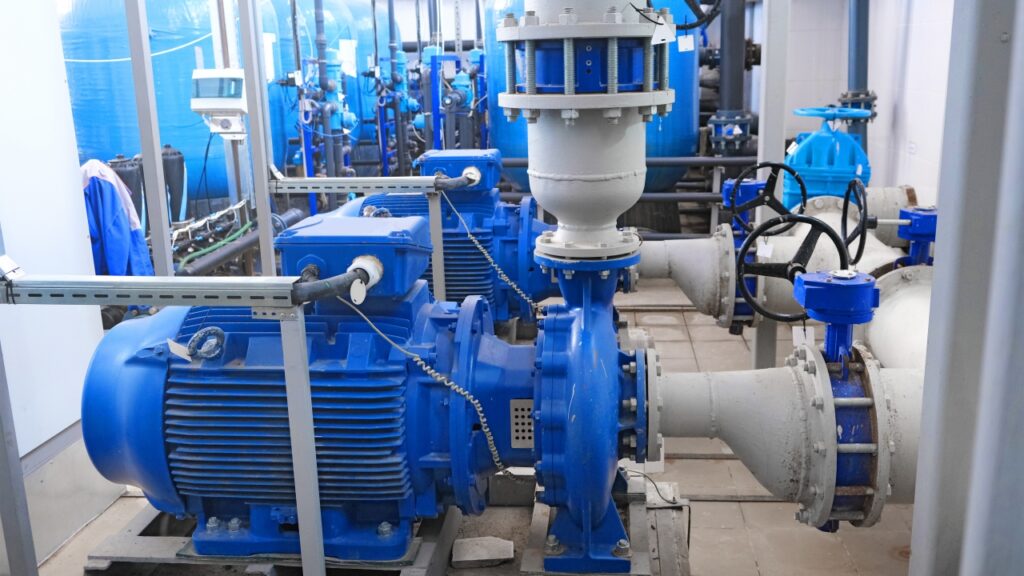
Ultrapure water is produced through multiple processes.
Main processes:
・Filtration
・Ion exchange
・Reverse osmosis (RO)
・Ultraviolet treatment
These produce water of extremely high purity.
【7】The Importance of Water Quality Control
Ultrapure water requires constant quality control.
The reason is that
even trace contamination can lead to
・Device defects
・Lower yield.
For this reason,
・Real-time water quality monitoring
・Particle measurement
and other measures are carried out.
【8】Location Requirements for Semiconductor Factories
Water resources are important when choosing a location for a semiconductor factory.
Requirements:
・A stable water supply
・High-quality water sources
・Water treatment infrastructure
For this reason, building factories in water-scarce regions can be difficult.
【9】Japan's Strength in Water Resources
Japan has relatively abundant water resources.
This gives it favorable conditions for semiconductor manufacturing.
Examples:
・TSMC’s Kumamoto factory
・Rapidus in Hokkaido
Water resources are important infrastructure for the semiconductor industry.
【10】Technologies for Reducing Water Use
Semiconductor companies are also working to reduce water use.
Examples:
・More efficient cleaning processes
・Water recycling
・New cleaning technologies
The aim is both environmental responsiveness and cost reduction.
【11】Water Issues and the Future of the Semiconductor Industry
Demand for semiconductors will continue to increase.
For this reason, water issues will become an important challenge for the semiconductor industry.
Going forward,
・Reducing water use
・Reusing water
・Managing water resources
will become important.
【12】Summary
・Semiconductor manufacturing uses large amounts of ultrapure water
・Wafer cleaning is an important process
・Leading-edge factories use tens of thousands of tons of water per day
・Water shortage problems have occurred in Taiwan
・Water recycling technology is advancing
・Water resources affect factory location
Comprehension Check
1.Why is ultrapure water needed in semiconductor manufacturing?
2.What are the main processes in which semiconductor factories use large amounts of water?
3.Why do water resources affect the location of semiconductor factories?
Column Supervisor: Koji Kakumoto (President, OTIS Co., Ltd.)
After studying abroad and working in planning and development at a trading company, he joined OTIS Co., Ltd. in 2011. While primarily working in the Corporate Planning Department, he has also served concurrently in manufacturing and technical divisions, and since 2018 has served as President, working to drive business growth and strengthen the organization.
This article is a general technical explanation intended for educational purposes and does not refer to any specific company, product, or technology.