【1】The Power Scale of Semiconductor Factories
The power consumption of leading-edge semiconductor factories is very large.
Example:
・Large fab → on the order of several hundred MW
This is equivalent to the electricity used by hundreds of thousands of households.
National-level power infrastructure is required.
【2】Main Factors in Power Consumption
The main equipment that consumes power in a semiconductor factory:
・Manufacturing equipment
・Cleanroom air conditioning
・Exhaust treatment equipment
・Water treatment equipment
These operate 24 hours a day.
【3】Power for Manufacturing Equipment
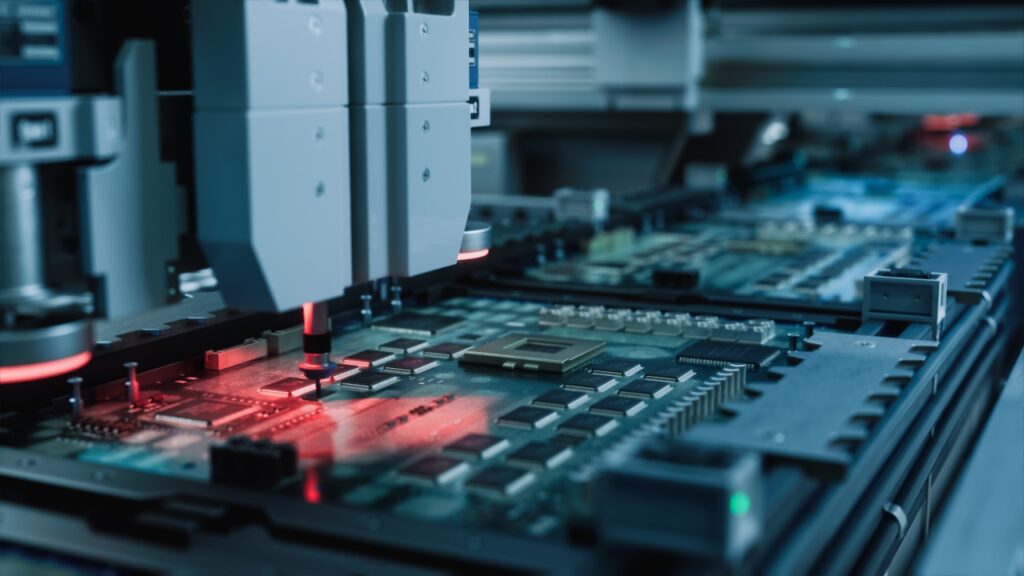
Semiconductor manufacturing equipment is high-power equipment.
Examples:
・Lithography equipment
・Etching equipment
・Deposition equipment
In particular,
EUV lithography equipment consumes a very large amount of power.
【4】Cleanroom Air Conditioning
One of the largest sources of power consumption in a semiconductor factory is cleanroom air conditioning.
Reasons:
・Particle removal
・Temperature and humidity control
・Airflow control
Because air is constantly circulated, a large amount of power is required.
【5】Exhaust Treatment Equipment
Semiconductor manufacturing uses chemical gases and chemical solutions.
For this reason, exhaust treatment equipment is required.
Roles:
・Decomposing hazardous gases
・Complying with environmental emission regulations
This is also a major source of power consumption.
【6】Water Treatment Equipment
Semiconductor factories use large amounts of water.
Therefore,
・Ultrapure water production
・Wastewater treatment
・Recycling equipment
are required.
Water treatment also uses a lot of power.
【7】Power Issues in the AI Era
With the spread of AI, demand for semiconductors has surged.
As a result,
・New factory construction
・More equipment
are progressing, and power demand is also increasing.
In addition, AI data centers also consume large amounts of power.
【8】Introducing Renewable Energy
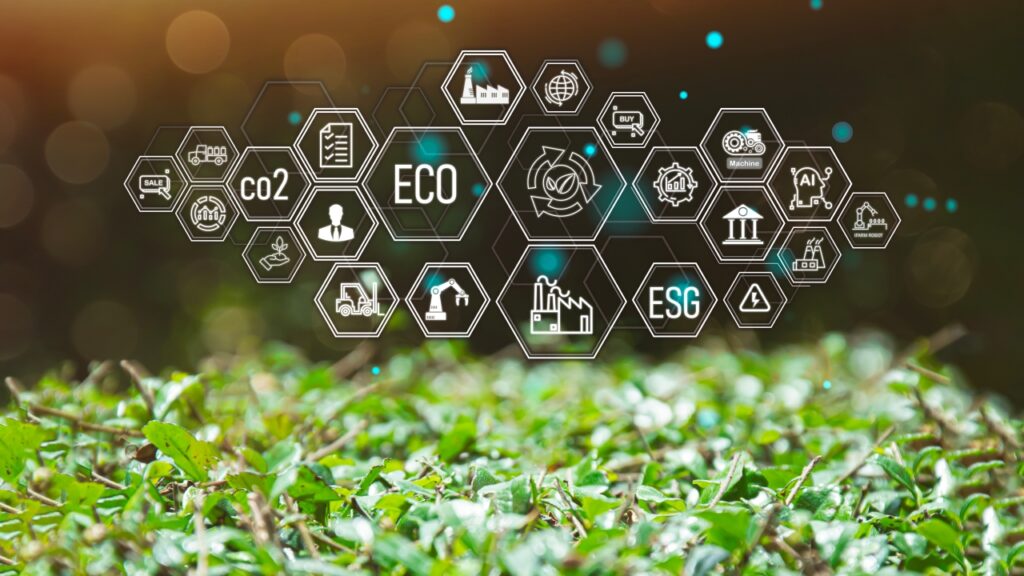
Semiconductor companies are introducing renewable energy.
Examples:
・Solar power
・Wind power
・Power purchase agreements (PPAs)
The goal is carbon neutrality.
【9】Energy-Saving Technologies
Energy-saving technologies are also advancing in semiconductor factories.
Examples:
・High-efficiency air conditioning
・Low-power equipment
・Energy management systems
Improving energy efficiency is an important challenge.
【10】Stability of the Power Supply
Power outages are not acceptable in semiconductor factories.
Reasons:
・Wafer damage
・Equipment failure
・Production stoppage
For this reason, measures such as
・In-house power generation
・Backup power supplies
are taken.
【11】Future Power Challenges
As the semiconductor industry expands, power issues will become even more important.
Future challenges:
・Expanding renewable energy
・Improving power efficiency
・Regional power infrastructure
Semiconductors and electric power are closely related.
【12】Summary
・Semiconductor factories are huge power-consuming facilities
・Equipment, air conditioning, and water treatment are the main power consumers
・Power consumption is increasing due to AI demand
・The introduction of renewable energy is advancing
・A stable power supply is important
Comprehension Check
1.What is the largest source of power consumption in a semiconductor factory?
2.Why are power outages a major problem in semiconductor factories?
3.Why do semiconductor companies introduce renewable energy?
Column Supervisor: Koji Kakumoto (President, OTIS Co., Ltd.)
After studying abroad and working in planning and development at a trading company, he joined OTIS Co., Ltd. in 2011. While primarily working in the Corporate Planning Department, he has also served concurrently in manufacturing and technical divisions, and since 2018 has served as President, working to drive business growth and strengthen the organization.
This article is a general technical explanation intended for educational purposes and does not refer to any specific company, product, or technology.