【1】What Are Greenhouse Gases?
Greenhouse gases are gases that have the property of trapping heat in the atmosphere.
Representative examples:
・CO₂ (carbon dioxide)
・CH₄ (methane)
・N₂O (nitrous oxide)
In semiconductor manufacturing, special gases are also an issue in addition to these.
【2】PFC Gases
PFC (perfluorocarbon) gases are used in semiconductor manufacturing.
Applications:
・Plasma etching
・Equipment cleaning
Characteristics:
・Very stable
・Difficult to break down
For this reason, they have a large impact on global warming.
【3】Global Warming Potential (GWP)
The impact of greenhouse gases is evaluated by GWP (Global Warming Potential).
GWP is the magnitude of the warming effect when CO₂ is set to 1.
Examples:
・CO₂ → 1
・PFC → several thousand to over 10,000
In other words, they have a very strong greenhouse effect.
【4】NF3 Gas
NF3 (nitrogen trifluoride) is also used in semiconductor manufacturing.
Application:
・Cleaning CVD equipment
NF3 is a highly efficient gas, but it also has a high global warming potential.
【5】CO₂ from Electricity
Semiconductor factories consume a large amount of electricity.
For this reason, CO₂ emissions from power generation are also a problem.
In particular,
・Leading-edge fabs
・AI semiconductor factories
are seeing increasing power demand.
【6】Gas Emission Reduction Technologies
Gas emission reduction technologies have been introduced at semiconductor factories.
Examples:
・Combustion abatement systems
・Plasma abatement systems
・Exhaust gas treatment equipment
These decompose greenhouse gases.
【7】Developing Alternative Gases
Research into alternative gases is also under way to reduce greenhouse gases.
Examples:
・Low-GWP gases
・New process materials
However,
balancing these with process performance is a challenge.
【8】Corporate Decarbonization Targets
Many semiconductor companies have set decarbonization targets.
Examples:
・Carbon neutrality
・Introducing renewable energy
・Reducing emissions
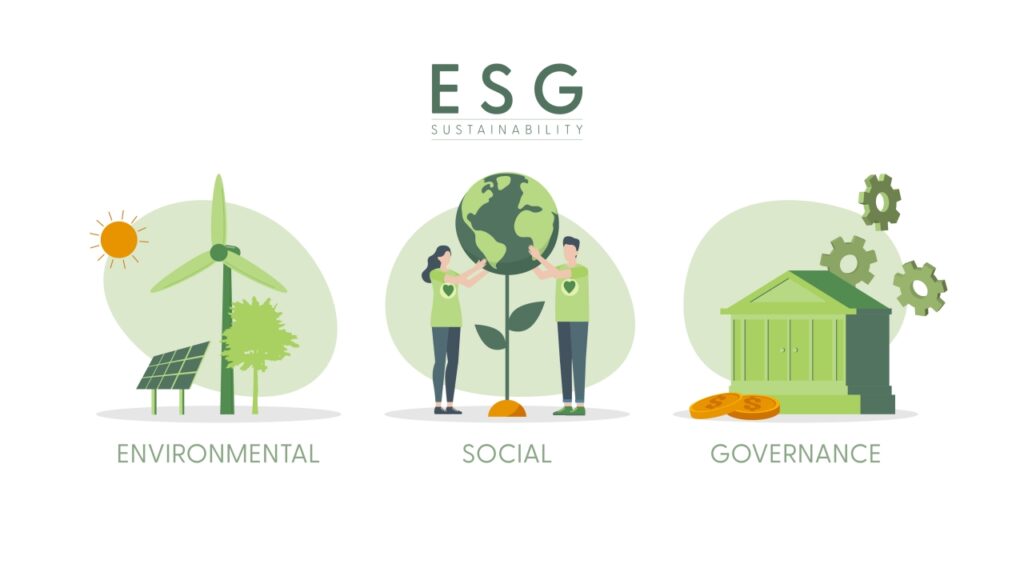
This is an important theme in ESG management.
【9】Emissions Across the Entire Supply Chain
In the semiconductor industry, emissions across the entire supply chain are also an issue.
Examples:
・Materials manufacturing
・Equipment manufacturing
・Logistics
Companies need to manage their Scope 1, Scope 2, and Scope 3 emissions.
【10】Semiconductors and a Decarbonized Society
Semiconductors also contribute to solving the global warming problem.
Examples:
・EVs (electric vehicles)
・Renewable energy control
・Energy-efficient data centers
In other words, semiconductors are both a cause of global warming and a technology for solving it.
【11】Future Challenges
Future challenges:
・Reducing greenhouse gases
・Improving power efficiency
・Introducing renewable energy
The semiconductor industry needs to balance technological innovation with environmental responsiveness.
【12】Summary
・Greenhouse gases are generated in semiconductor manufacturing
・PFCs and NF3 have high global warming potential
・Power consumption is also related to CO₂ emissions
・Exhaust gas treatment and research into alternative gases are advancing
・Semiconductors also contribute to a decarbonized society
Comprehension Check
1.Why are PFC gases used in semiconductor manufacturing?
2.What does global warming potential (GWP) indicate?
3.What are examples of how the semiconductor industry contributes to a decarbonized society?
Column Supervisor: Koji Kakumoto (President, OTIS Co., Ltd.)
After studying abroad and working in planning and development at a trading company, he joined OTIS Co., Ltd. in 2011. While primarily working in the Corporate Planning Department, he has also served concurrently in manufacturing and technical divisions, and since 2018 has served as President, working to drive business growth and strengthen the organization.
This article is a general technical explanation intended for educational purposes and does not refer to any specific company, product, or technology.