【1】Characteristics of Semiconductor Manufacturing
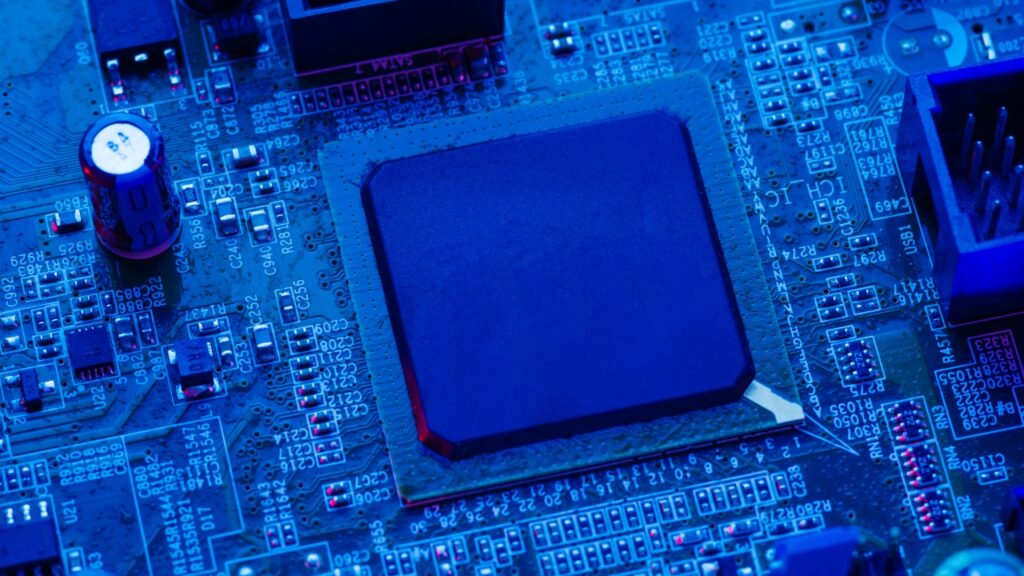
Semiconductor manufacturing is an extremely high-precision processing industry.
Characteristics:
・Nanometer precision
・Processes with hundreds of steps
・A cleanroom environment
Maintaining this high precision requires many resources.
【2】The Scale of Power Consumption
Semiconductor factories are huge power-consuming facilities.
Main sources of power consumption:
・Manufacturing equipment
・Cleanroom air conditioning
・Exhaust treatment equipment
A leading-edge fab can consume as much electricity as hundreds of thousands of households.
【3】Heavy Use of Water Resources
Large amounts of ultrapure water (UPW) are used in semiconductor manufacturing.
Applications:
・Wafer cleaning
・Chemical cleaning
・Equipment cleaning
Leading-edge factories may use tens of thousands of tons of water per day.
【4】The Use of Chemicals
Many chemicals are used in semiconductor manufacturing.
Examples:
・Acids (sulfuric acid, hydrofluoric acid, etc.)
・Organic solvents
・Photoresists
・Specialty gases
These require proper management.
【5】Greenhouse Gas Emissions
Semiconductor manufacturing also generates greenhouse gases.
Examples:
・PFC gases
・NF3
・SF6
Some of these have a greater greenhouse effect than CO₂.
【6】Tightening Environmental Regulations
Environmental regulations are being tightened in many countries.
Main regulatory targets:
・Greenhouse gases
・Chemicals
・Waste
Semiconductor companies are being required to make their environmental management more sophisticated.
【7】The Social Responsibility of the Semiconductor Industry
Semiconductor companies are required not only to develop technology but also to fulfill their social responsibilities.
Examples:
・Environmental protection
・Safety management
・Consideration for local communities
These also affect how companies are evaluated.
【8】The Environmental Contribution of Semiconductors
On the other hand, semiconductors also contribute to solving environmental problems.
Examples:
・EVs (electric vehicles)
・Renewable energy
・Energy-efficient data centers
Semiconductors are both a cause of and a solution to environmental problems.
【9】The Concept of the Green Fab
In recent years, the concept of the green fab has been spreading.
Content:
・Renewable energy
・Water recycling
・Energy-saving equipment
It is a factory design that minimizes environmental impact.
【10】Environmental Targets of Semiconductor Companies
Many semiconductor companies have set environmental targets.
Examples:
・Carbon neutrality
・Reducing water use
・Reducing waste
These have become part of corporate strategy.
【11】Balancing the Environment and Technology
In the semiconductor industry, technological progress and environmental protection must advance at the same time.
In other words, achieving both
・High-performance semiconductors
・Low-environmental-impact manufacturing
is an important challenge for the future.
【12】Summary
・Semiconductor manufacturing consumes a large amount of resources
・It uses large amounts of electricity, water, and chemicals
・Greenhouse gas emissions are also a problem
・Environmental regulations are being tightened
・Semiconductors also contribute to solving environmental problems
Comprehension Check
1.Why do semiconductor factories consume large amounts of electricity?
2.In which processes is ultrapure water used?
3.Why is the semiconductor industry related to environmental issues?
Column Supervisor: Koji Kakumoto (President, OTIS Co., Ltd.)
After studying abroad and working in planning and development at a trading company, he joined OTIS Co., Ltd. in 2011. While primarily working in the Corporate Planning Department, he has also served concurrently in manufacturing and technical divisions, and since 2018 has served as President, working to drive business growth and strengthen the organization.
This article is a general technical explanation intended for educational purposes and does not refer to any specific company, product, or technology.