【1】Waste Generated in Semiconductor Manufacturing
A wide variety of waste is generated in semiconductor manufacturing.
Main types:
・Chemical waste liquids
・Organic solvent waste
・Metal-containing wastewater
・Used resist
Many of these can be hazardous.
【2】Chemical Waste Liquids
Many acids and alkalis are used in semiconductor manufacturing.
Examples:
・Sulfuric acid
・Hydrofluoric acid
・Hydrogen peroxide
These waste liquids are treated safely through neutralization and other processes.
【3】Photoresist Waste
Photoresist materials are used in the photolithography process.
Used resist is treated as waste.
Because it contains organic solvents, proper treatment is required.
【4】Metal-Containing Wastewater
Metal materials are also used in semiconductor manufacturing.
Examples:
・Copper
・Aluminum
・Tungsten
For this reason, wastewater may contain trace amounts of metals.
These are removed by dedicated treatment equipment.
【5】Wastewater Treatment Facilities
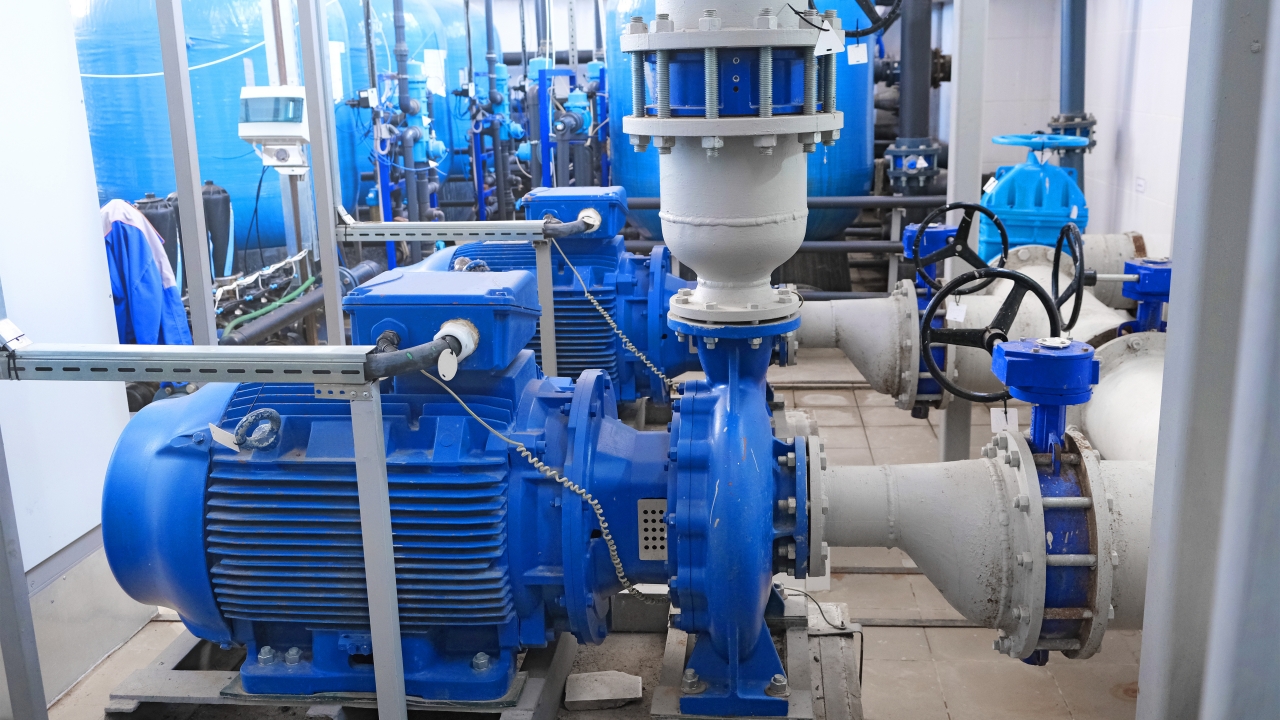
Large-scale wastewater treatment facilities are installed at semiconductor factories.
Main treatments:
・Neutralization
・Sedimentation
・Filtration
Through these, wastewater is treated to meet environmental standards.
【6】Segregated Waste Management
At semiconductor factories, waste is strictly segregated.
Examples:
・Chemical waste
・Metal waste
・General waste
Proper segregation leads to safe treatment.
【7】Recycling Initiatives
Recycling is also advancing to reduce waste.
Examples:
・Solvent recovery
・Metal recovery
・Material reuse
This improves resource use efficiency.
【8】Laws and Regulations on Waste Treatment
Waste treatment is subject to strict laws and regulations.
Examples:
・The Waste Management Act
・Chemical regulations
・Environmental emission standards
Companies need to comply with these regulations.
【9】Environmental Audits
Environmental audits are also conducted at semiconductor companies.
Content:
・Waste management
・Wastewater management
・Emissions management
This reduces environmental risk.
【10】Sustainable Manufacturing
In recent years, sustainable manufacturing has become important.
Examples:
・Reducing waste
・Promoting reuse
・Reducing environmental impact
These also affect how companies are evaluated.
【11】Future Challenges
Future challenges:
・Reducing waste
・Expanding recycling
・Developing environmental technologies
The semiconductor industry is required to balance the environment and manufacturing.
【12】Summary
・Semiconductor manufacturing generates a lot of waste
・Chemical waste liquids and resist waste are the main examples
・Wastewater treatment facilities ensure environmental standards are met
・Recycling and reuse are advancing
・Laws, regulations, and environmental audits are important
Comprehension Check
1.What are typical types of waste generated in semiconductor manufacturing?
2.What is the main role of wastewater treatment facilities?
3.Why is waste management important in the semiconductor industry?
Column Supervisor: Koji Kakumoto (President, OTIS Co., Ltd.)
After studying abroad and working in planning and development at a trading company, he joined OTIS Co., Ltd. in 2011. While primarily working in the Corporate Planning Department, he has also served concurrently in manufacturing and technical divisions, and since 2018 has served as President, working to drive business growth and strengthen the organization.
This article is a general technical explanation intended for educational purposes and does not refer to any specific company, product, or technology.