■ Higher Performance Means More Heat Generation
First, as a premise, future industries such as
● AI computation
● High-output motors
● Fast charging
● High-speed communication
are becoming higher-performance all the time.
In other words, the amount of energy handled is increasing.
Naturally, the amount of heat generated also increases.
■ But We Want to Make Things Smaller
This is where the problem arises.
At the same time, future industries also require
● Miniaturization
● Weight reduction
● Thinner designs
In other words, a contradiction arises: heat generation increases,
yet the space for releasing heat decreases.
■ Heat Density Rises Sharply
What matters here is the concept of heat density.
For example,
even with the same 100W of heat,
● Heat generated in a large space
● Heat generated in a small space
are completely different in difficulty.
In other words, in future industries,
a state arises in which a large amount of heat concentrates in a small place.
This makes heat problems rapidly more difficult.
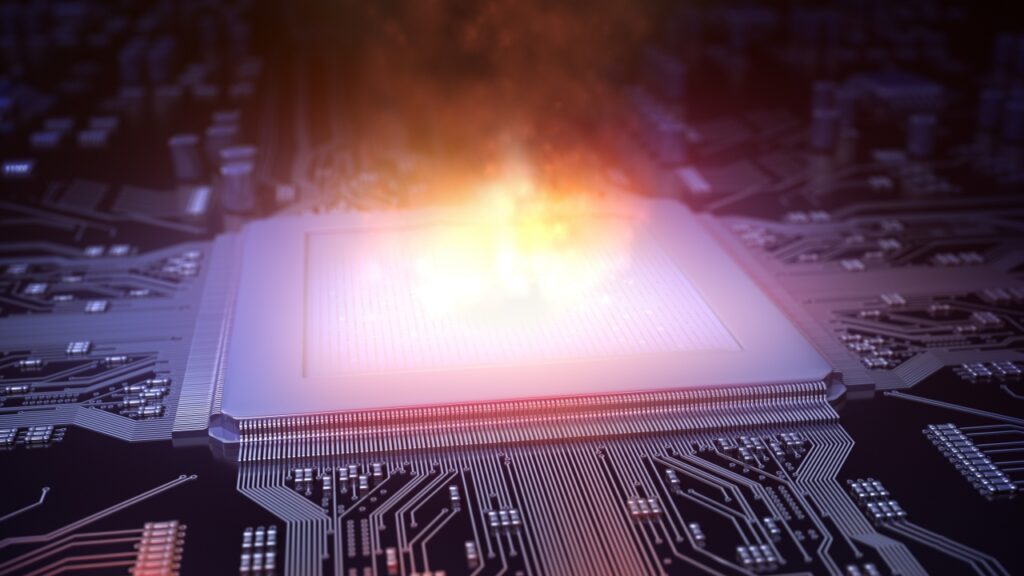
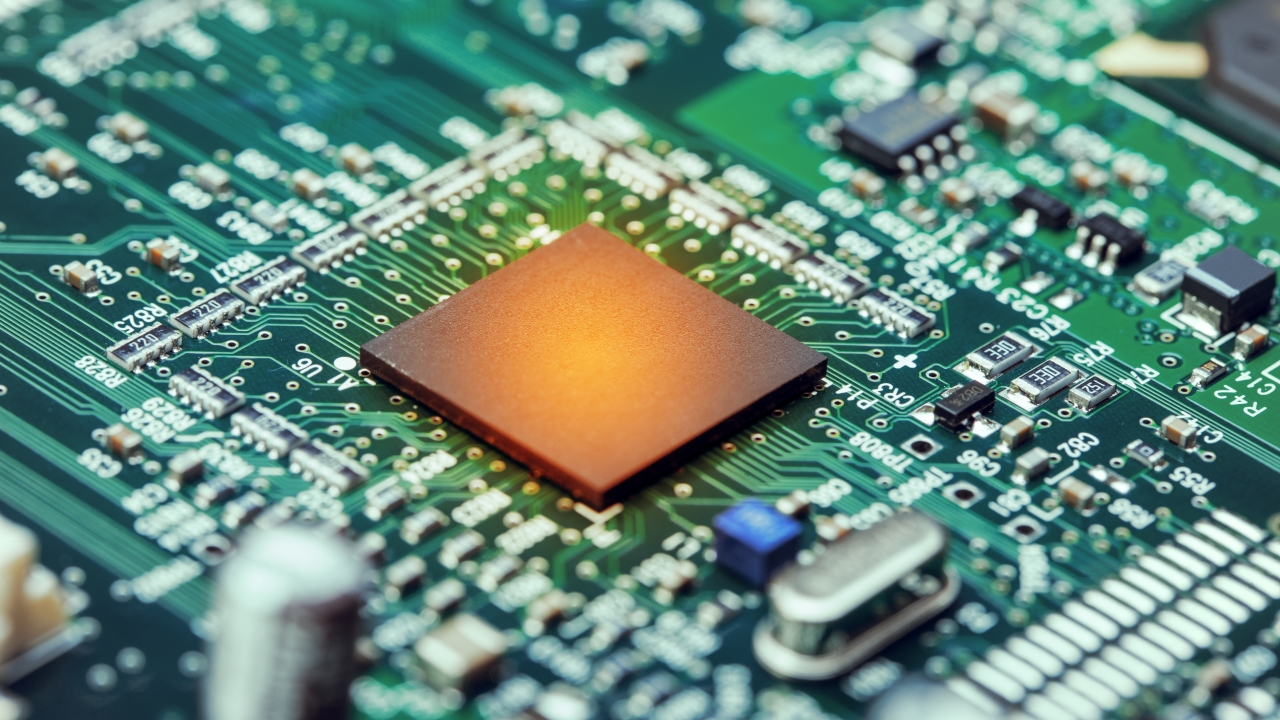
■ AI Semiconductors Have Ultra-High Heat Density
Take AI chips, for example.
Today,
● Higher density
● Stacking
● Miniaturization
are advancing.
In other words, they are evolving toward packing enormous computing power into a small area.
At the same time, however, this also means
trapping enormous heat in a small place.
■ Escape Routes for Heat Become Narrower
When things are miniaturized,
quite simply, the paths for heat become narrower.
For example,
● Reduced heat dissipation area
● Reduced contact area
● Reduced airflow paths
● Reduced material thickness
In other words, the ability to release heat decreases.
■ The Smaller It Is, the More Contact Dominates
This is extremely important.
In large structures, a little misalignment or lifting may have only a small effect.
In future industries, however, performance changes at the level of
● A few tens of μm
● A few μm
In other words, as things are miniaturized,
contact thermal resistance becomes dominant.
■ A Few Tens of μm Can Stop the Future
For example, even just
● Tiny lifting
● Steps
● Uneven pressure
● Air layers
can greatly change thermal performance.
In other words, in future industries, tiny gaps may determine
● AI performance
● EV lifetime
● Robot stability
● Semiconductor performance
■ Miniaturization Also Shrinks Cooling Devices
What is even more problematic is that the cooling side also becomes smaller.
For example,
● Small fans
● Thin heat sinks
● Narrow airflow paths
In other words, a contradiction arises: you are wanting to cool,
yet there is no room to install a cooling mechanism.
■ It Is Even Tougher for Wearable Devices
AR glasses and wearables also need to be
● Light
● Thin
● Quiet
● Comfortable
In other words, they cannot carry a large cooling device.
On top of that, there is the constraint that they must not feel hot.
This is quite difficult.
■ EVs Are Also Becoming Compact and High-Density
In EVs,
● Higher capacity
● Weight reduction
● Longer range
are advancing.
In other words, they are evolving toward packing more energy into a limited space.
As a result, heat density rises.
In other words, EVs are also fighting the problem of being hot despite being small.
■ Robots Struggle at Their Joints
In robots, too, there is a desire to put
● Motors
● Sensors
● AI
● Batteries
into narrow joints.
There, however, heat has difficulty escaping.
In other words, for robots as well, miniaturization = worse heat problems.
■ The AI Era Will Become a Heat Density Civilization
As we have seen so far,
future industries are pursuing higher performance and
miniaturization at the same time.
In other words, the future can also be described as a civilization in which heat density keeps rising.
■ The Researcher's Perspective: Technology That Cools Despite Being Small Becomes Important
Current research includes
● Ultra-thin TIM
● Vapor chambers
● Liquid cooling
● Heat dissipation structures
● Heat spreading materials
● High thermal conductivity materials
In other words, from now on, whether heat can be released despite being small will become important.
■ The Shop-Floor Perspective: Miniaturization Makes Volume Production Dramatically Harder
On the actual shop floor,
● Tolerances
● Tiny misalignment
● Lifting
● Uneven pressure
● Material deformation
matter more the smaller things become.
In other words, in future industries, being able to mass-produce it stably becomes harder than being able to make it.
■ Miniaturization Increases Interfaces Between Dissimilar Materials
Furthermore, in future industries, dissimilar materials such as
● Metals
● Resins
● Adhesives
● TIM
● Insulation
increase.
As a result,
differences in thermal expansion
differences in contact
interface thermal resistance, and more become problems.
In other words, miniaturization also means an increase in interface problems.
■ What Matters from OTIS's Perspective
From OTIS’s perspective, what matters in the era of miniaturization includes
● Microfabrication
● High-precision die-cutting
● High-precision lamination
● Contact between dissimilar materials
● Tolerance control
● Pressure stability
● Thin-film processing
● Volume production stability
In other words, OTIS is committed to
processes that make heat work despite being small.
■ What OTIS Can Do
At OTIS, through
● Microfabrication
● High-precision die-cutting
● High-precision lamination
● Processing of thermal management materials
● Stacking of irregular shapes
● Thin-film processing
● Support for automated supply
we may be able to contribute to making heat work in compact, high-density products.
■ Outside OTIS's Expertise
On the other hand, OTIS is not a company that specializes in
● Semiconductor design
● GPU development
● EV design
● Robot control development
However, in the area of
making miniaturized heat problems work in volume production,
we may be able to play an important role.
■ Summary
Miniaturization makes the battle against heat harder
Future industries are pursuing
● Higher performance
● Miniaturization
● Higher density
at the same time.
As a result, however, heat density rises sharply.
In other words, in the future, the contradiction of being hot despite being small
will grow ever larger.
And behind the scenes,
how well the final few tens of μm of heat
can be made to work will become extremely important.
Column Supervisor: Koji Kakumoto (President, OTIS Co., Ltd.)
After studying abroad and working in planning and development at a trading company, he joined OTIS Co., Ltd. in 2011. While primarily working in the Corporate Planning Department, he has also served concurrently in manufacturing and technical divisions, and since 2018 has served as President, working to drive business growth and strengthen the organization.
This article is a general technical explanation intended for educational purposes and does not refer to any specific company, product, or technology.