
【1】What Is Wire Bonding?
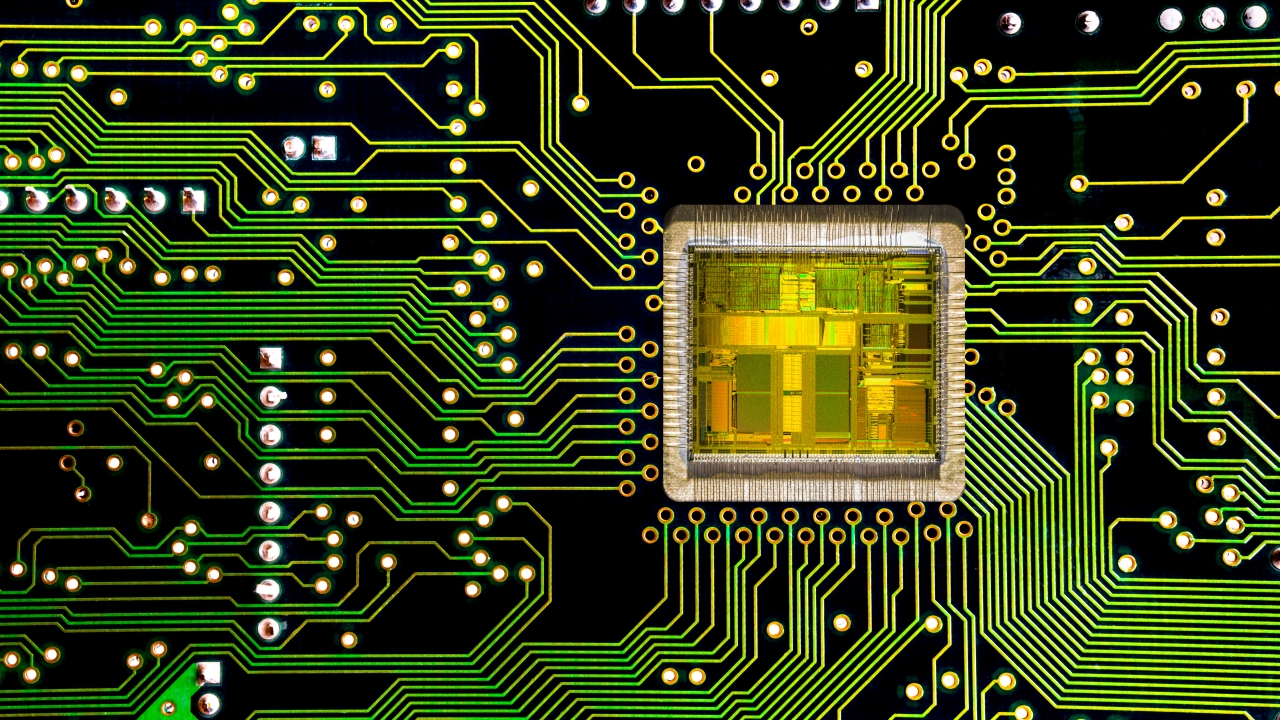
A technology that connects the pads on a semiconductor chip to a lead frame / substrate using ultra-fine wire about 15–30 µm in diameter.
Main methods:
・Ball bonding
・Wedge bonding
The mainstream wire materials are:
・Gold (Au)
・Copper (Cu)
・Silver (Ag)
・Alloy wire (such as Pd-coated Cu)
Because of its characteristics of being “inexpensive, mature, highly reliable, and flexible,” wire bonding is still used in more than 70% of all packages today.
【2】Ball Bonding
The most common method.
Process overview:
1.The wire tip is melted by an electrical discharge → a ball is formed
2.Bonded to the chip-side pad with heat + ultrasonic energy (1st bond)
3.The wire is drawn out and bonded to the substrate/lead side (2nd bond)
4.The wire is cut
Features:
・Ideal for high-speed volume production (e.g., 10–15 wires per second)
・Materials are moving from Au → Cu → Ag to reduce costs
・The quality of the 1st-bond ball determines reliability
Challenges:
・Copper wire oxidizes easily, so a protective gas is required
・Fine pads (<40 µm) require advanced control
【3】Wedge Bonding
A method that mainly uses aluminum (Al) wire.
Features:
・Strong for RF applications (impedance is easy to adjust)
・No ball is needed, so wiring is possible even at narrow pitches
・Widely used in automotive and power devices
Challenges:
・Slower, and less suited to volume production than ball bonding
・Less freedom in pad design
【4】Material Selection (The Shift from Au → Cu → Ag)
Au (Gold)
・Does not oxidize
・Good bondability
→ Formerly the mainstream, but now declining due to cost
Cu (Copper)
・Low cost, high strength, high electrical conductivity
→ The de facto standard for volume production
Challenges: It oxidizes easily, and bonding conditions must be strictly controlled. Reliability tends to decline in high-humidity environments.
Ag (Silver)
・Softer than Cu
・Resistant to oxidation
・Advantageous for ultra-fine pitches
Its adoption is increasing because of its balance of cost and workability.
【5】Main Challenges of Wire Bonding (For Practitioners)
Lift-off (bond delamination)
・Excessive / insufficient ultrasonic energy
・Surface oxidation
・Material degradation
Cracks / pad delamination
・Excessive pressure
・Poor thermal design
・Stress concentration on low-k layers
Defective loop shapes
・Insufficient wire strength
・Bonder setting errors
Degradation due to humidity and corrosion
・Particular care is needed with Cu wire
Wire bonding is not an outdated technology; it is a technical field that demands a high level of process optimization, material selection, and stress design.
【6】Why Wire Bonding Continues to Be Used Today
・Overwhelmingly low cost
・Small capital investment
・Easy failure analysis
・Resistant to thermal stress and highly reliable in automotive and industrial applications
・Greater design freedom than flip chip
For this reason, from smartphones to automotive to power semiconductors, it remains the most widely adopted package interconnect method today.
Comprehension Check
1.Explain the difference between ball bonding and wedge bonding.
2.What was the main reason for the shift in wire material from Au to Cu?
3.What is the biggest technical challenge in adopting Cu wire?
Column Supervisor: Koji Kakumoto (President, OTIS Co., Ltd.)
After studying abroad and working in planning and development at a trading company, he joined OTIS Co., Ltd. in 2011. While primarily working in the Corporate Planning Department, he has also served concurrently in manufacturing and technical divisions, and since 2018 has served as President, working to drive business growth and strengthen the organization.
This article is a general technical explanation intended for educational purposes and does not refer to any specific company, product, or technology.





