【1】What Are Sensors and Actuators?
Sensors
A sensor is a device that converts a physical quantity or environmental information into an electrical signal. Examples include light, sound, temperature, acceleration, pressure, magnetism, and gas concentration.
Actuators
An actuator is a device that converts an electrical signal into force, motion, sound, or vibration. Examples include motors, piezoelectric actuators, and MEMS mirrors.
The flow — sensor (converting information) → semiconductor circuit → actuator (driving action) — is what connects the physical world to the digital world.
【2】The Basic Structure and Classification of Sensors
Sensors fall broadly into the following categories:
2-1. Optical sensors (image sensors)
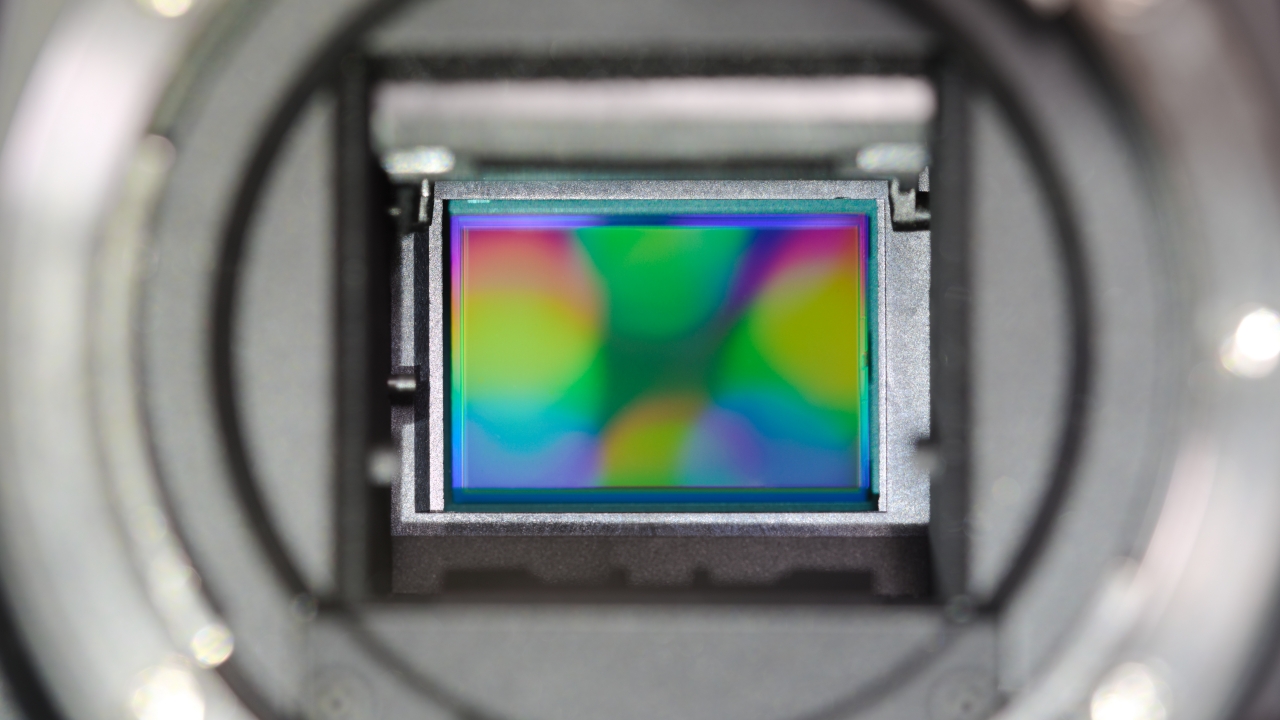
Example: CMOS image sensors (used in smartphone cameras)
Characteristics
・The light-receiving element (a photodiode) converts light into electrical charge.
・High sensitivity and low noise are essential.
・Integration with logic circuitry and 3D stacking (stacked CIS) continue to advance.
Applications: Smartphones, surveillance cameras, autonomous driving, medical devices
2-2. Accelerometers and gyroscopic sensors (MEMS sensors)
These detect mechanical motion using MEMS (micro-electromechanical systems) structures.
Characteristics
・Movable components on the micrometer scale
・Detects acceleration or angular velocity through changes in capacitance
Applications: Image stabilization in smartphones, drone attitude control, and automotive ABS and airbag systems
2-3. Temperature sensors
Examples: PN-junction temperature sensors, RTDs, thermistors
Characteristics
・Resistance or voltage changes with temperature
・High precision and fast response
Applications: CPU thermal management, battery monitoring, medical measurement
2-4. Magnetic sensors
Examples: Hall sensors, magnetoresistive sensors (GMR/TMR)
Characteristics
・Detects the strength and direction of a magnetic field
・Highly sensitive and compact
Applications: Motor rotation detection, HDD read heads, current sensors
2-5. Pressure sensors
Example: MEMS pressure sensors
Characteristics
・A thin-film diaphragm detects pressure and stress
Applications: Tire pressure monitoring, barometers, medical devices
2-6. Gas and chemical sensors
Characteristics
・Electrical properties change in response to a reaction with a specific gas
Applications: CO₂ sensors, toxic gas sensors, alcohol detection
【3】The Basic Structure and Classification of Actuators
An actuator is a device that generates physical motion.
3-1. Piezoelectric actuators
Characteristics
・Expand and contract in response to voltage (the inverse piezoelectric effect)
・Fast response
・Well suited to precise, small-scale control
Applications: Inkjet printer heads, autofocus (AF) camera lenses, MEMS speakers, precision positioning stages
3-2. MEMS mirrors and scanners
Characteristics
・Move a mirror using electrostatic, magnetic, or thermal actuation
Applications: LiDAR (autonomous driving), projectors, barcode scanners
3-3. Motor-based actuators
Examples: BLDC motors, stepping motors
Characteristics
・Rotation controlled by electrical current
Applications: Robotics, HDDs, drones, power tools
3-4. Micro-actuators (MEMS actuators)
Characteristics
・Mechanical structures on the micrometer scale
・Can be integrated with CMOS manufacturing processes
Applications: Microvalves, micropumps, microrobots
【4】The Importance of CMOS-MEMS Integration
A major recent trend is integrating sensors and logic circuitry onto the same chip.
Benefits
・Smaller size
・Lower power consumption
・Reduced noise
・Higher reliability
Examples
・Six-axis sensors (accelerometer plus gyroscope) in smartphones
・Millimeter-wave radar (integrating RF, antenna, and DSP together)
【5】Applications of Sensors and Actuators
These technologies are used across virtually every industry.
5-1. Automotive
・LiDAR (using MEMS mirrors)
・Collision detection sensors
・Cabin environment sensors
・Actuators for motor control
5-2. Smartphones
・Cameras (CIS)
・Accelerometers and gyroscopes
・Pressure and magnetic sensors
・Focus actuators
・Microphones and speakers (MEMS)
5-3. Medical
・Blood pressure sensors
・Respiratory gas sensors
・Ultrasonic actuators
・Millimeter-wave and infrared sensor cameras
5-4. Industrial equipment
・Robotic arm joints
・Condition monitoring for factory equipment (vibration, temperature)
・AI-based anomaly detection systems
【6】Directions for Next-Generation Technology
Highly integrated MEMS (arrays of numerous movable elements)
Examples: large-scale LiDAR arrays, MEMS speaker arrays
Direct connection between AI chips and sensors
・Combining edge AI with sensors, running inference directly on-chip
・Making data “smarter” before it’s even transmitted
Chemical and biological MEMS
・Next-generation medical devices
・At-home health monitoring
Faster optical MEMS
・Optical communications
・AR/VR micro-projectors
【7】Summary
・Sensors are responsible for converting real-world changes into electrical signals.
・Actuators are responsible for converting electrical signals into physical motion.
・Both are rapidly becoming smaller and higher performing thanks to MEMS technology.
・They are indispensable across automotive, smartphone, medical, and industrial applications.
・Going forward, integration with AI and further miniaturization are expected to accelerate.
Comprehension Check
1.What is the difference in role between a sensor and an actuator?
2.What are the main reasons MEMS sensors have become so widely used?
3.What applications are GaN HEMTs well suited to?
Column Supervisor: Koji Kakumoto (Otis Group Co., Ltd.)
After studying abroad and working in planning and development at a trading company, he joined Otis Group Co., Ltd. in 2011. While primarily working in the Corporate Planning Department, he has also served concurrently in manufacturing and technical divisions, and since 2018 has served as Representative Director, working to drive business growth and strengthen the organization.
This article is a general technical explanation intended for educational purposes and does not refer to any specific company, product, or technology.