【1】Japan's Position in the Semiconductor Industry
Japanese companies are mainly strong in manufacturing-support areas such as
・Materials
・Manufacturing equipment
・Substrates
・Inspection
In other words, Japan is positioned not as a country that designs chips, but as a country that supports the foundation for making chips.
【2】Strengths in Materials
Japanese companies have a strong presence in semiconductor materials.
Representative examples:
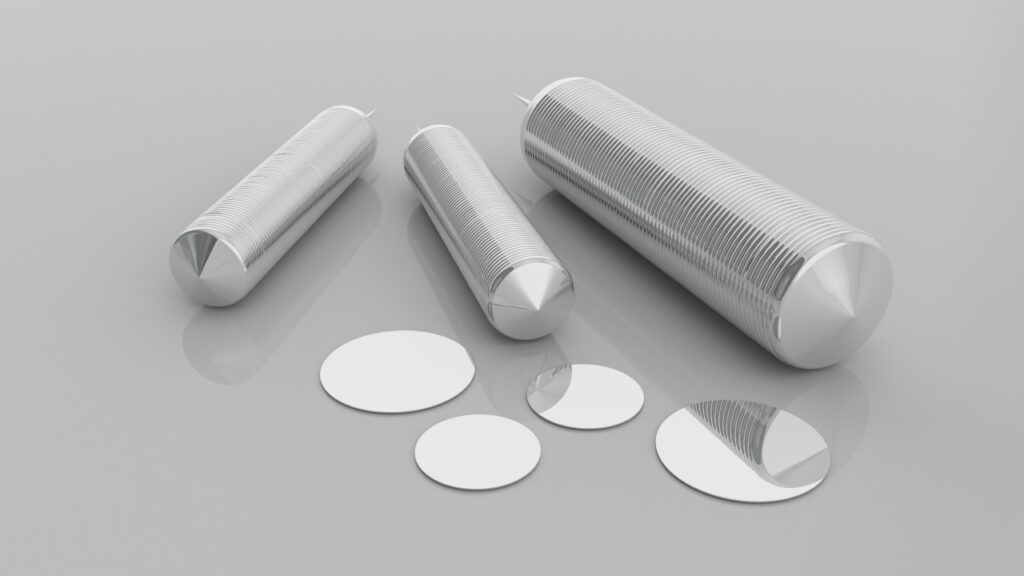
・Shin-Etsu Chemical (silicon wafers)
・SUMCO (silicon wafers)
・JSR (photoresists)
・Tokyo Ohka Kogyo (photoresists)
・Sumitomo Chemical (materials)
These companies hold top global market shares.
【3】Strengths in Manufacturing Equipment
Japanese companies are also strong in semiconductor manufacturing equipment.
Representative companies:
・Tokyo Electron
・SCREEN
・Hitachi High-Tech
・EBARA
・Canon
They have particularly high global shares in
・Cleaning equipment
・Deposition equipment
・Metrology equipment.
【4】Strengths in Package Substrates
Japanese companies are also strong in ABF substrates, the foundation of high-performance semiconductors.
Representative companies:
・Ibiden
・Shinko
With the spread of AI chips, the importance of this field is rising rapidly.
【5】Inspection and Metrology Technology
The semiconductor industry is an industry of nanometer precision.
For this reason, inspection and metrology technology is important.
Japanese companies have global strengths in
・Electron microscopes
・Metrology equipment
・Inspection technology.
【6】Fields Where Japan Has Weakened
On the other hand, there are also fields where Japan has weakened.
Main areas:
・Leading-edge logic semiconductors
・Fabless companies
・Foundries
Current leading-edge logic manufacturing is led by
・TSMC
・Samsung.
【7】Why Japan Fell Behind
The reasons are complex.
・Intensifying competition in capital investment
・Restructuring after the IT bubble
・A shortage of design companies
・A delayed response to horizontal division of labor
In particular, the failure to nurture fabless companies had a major impact.
【8】Japan's Current Semiconductor Strategy
In recent years, the Japanese government has been working to re-strengthen the semiconductor industry.
Main initiatives:
・The Rapidus project
・TSMC’s Kumamoto plant
・Support for equipment and materials
The goal is to bring leading-edge manufacturing back to Japan.
【9】The Challenge of Rapidus
Rapidus is a Japan-led leading-edge logic manufacturing company.
Goals:
・2nm process
・A plant in Hokkaido
Development is progressing in cooperation with IBM.
If it succeeds, it will lead to the revival of Japan’s manufacturing capabilities.
【10】Japan's Role
Japan’s semiconductor industry is not the “lead actor” but the “foundation.”
However, if the foundation stops, the industry stops.
In other words, Japan is the keystone of the supply chain.
【11】Future Possibilities
The fields in which Japan is strong will become even more important in the future.
・Materials
・Equipment
・Packaging
・Power semiconductors
Demand is expanding, particularly with the growth of
・EVs
・AI
・Data centers.
【12】Summary
・Japan is weak in the design field
・It is a world leader in materials and equipment
・It supports the foundation of the supply chain
・It aims to revive leading-edge manufacturing through Rapidus
・Materials and equipment will remain important in the future
Comprehension Check
1.In which semiconductor fields are Japanese companies strong?
2.Why did Japan become weak in leading-edge logic?
3.What is the purpose of the Rapidus project?
Column Supervisor: Koji Kakumoto (President, OTIS Co., Ltd.)
After studying abroad and working in planning and development at a trading company, he joined OTIS Co., Ltd. in 2011. While primarily working in the Corporate Planning Department, he has also served concurrently in manufacturing and technical divisions, and since 2018 has served as President, working to drive business growth and strengthen the organization.
This article is a general technical explanation intended for educational purposes and does not refer to any specific company, product, or technology.